Finance AI Systems
Discuss one workflow

Build the first agentic finance workflow your team can actually own.

A practical service for finance transformation teams: redesign one complex finance workflow around AI agents, then transfer the capability so finance can run and improve it inside IT-governed rails.

Start with one workflow Prove the model Build internal capability
Discuss one workflow
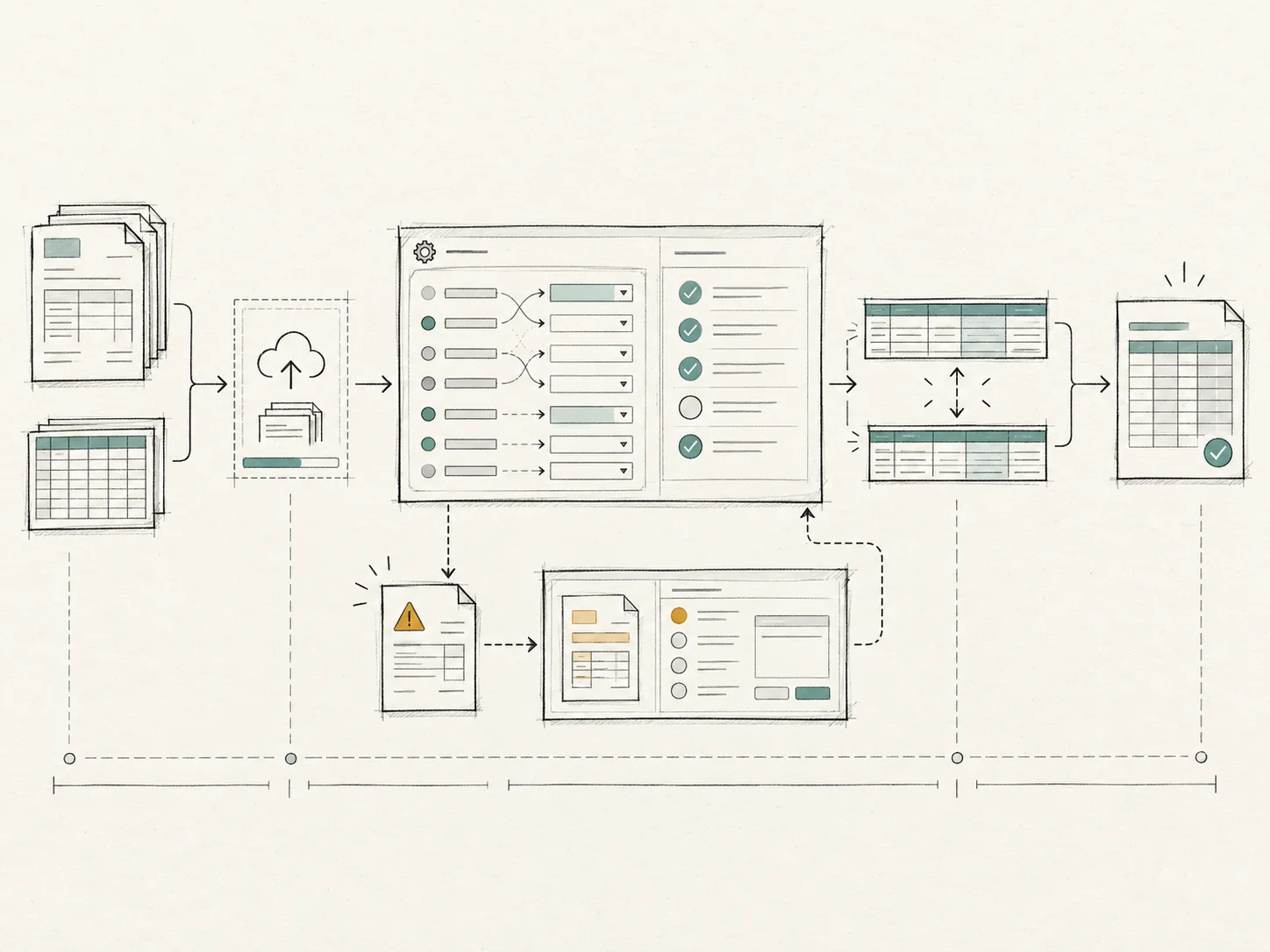
People working through an AI work layer connected to ERP, TMS, consolidation, FP&A planning, and reporting systems.
Scroll to continue

Finance teams are moving from manual coordination to agentic work.

Complex finance workflows still depend on people stitching work together across ERP, EPM, treasury systems, tax tools, data warehouses, spreadsheets, approvals, controls, and reporting deadlines.

AI agents change what is possible. The opportunity is not just faster task automation. It is a new work layer where agents can gather data, check rules, prepare outputs, document evidence, and escalate exceptions while finance professionals stay in control of judgement and decisions.

Consulting firms including McKinsey and Deloitte are already describing the shift toward agentic AI and new operating models. The practical question for finance transformation teams is how to turn that shift into a working capability, not another AI experiment.

This is not a technology trend in isolation. It is a change in how finance work can be performed.

Finance professionals direct the work. Agents execute defined parts of it.

The finance professional remains in control. They set the objective, provide context, decide what good looks like, review outputs, handle exceptions, and own the final judgement.

The agent takes on bounded execution work: collecting source data, applying rules, reconciling differences, preparing draft journals or reports, checking completeness, creating evidence packs, and proposing next actions.

The shift is from doing every step manually to supervising a governed work layer that can execute many of the repeatable steps under human review.

Finance keeps ownership. The work layer changes.

Agents do not replace your ERP. They change how work happens across your systems.

Your ERP, EPM, treasury system, tax tools, data warehouse, approval platforms, and controlled spreadsheets remain the systems of record and control.

The AI work layer sits between finance users and those systems. Agents read from approved sources, prepare work, check rules, draft outputs, collect evidence, and route exceptions back to humans.

The important distinction is this: the agentic layer is not the system of record. It is a governed execution layer that helps finance work across existing systems with more speed, consistency, and traceability.

This is an operating layer across existing systems, not a replacement for them.

The safe model separates workflow ownership, agent execution, and IT governance.

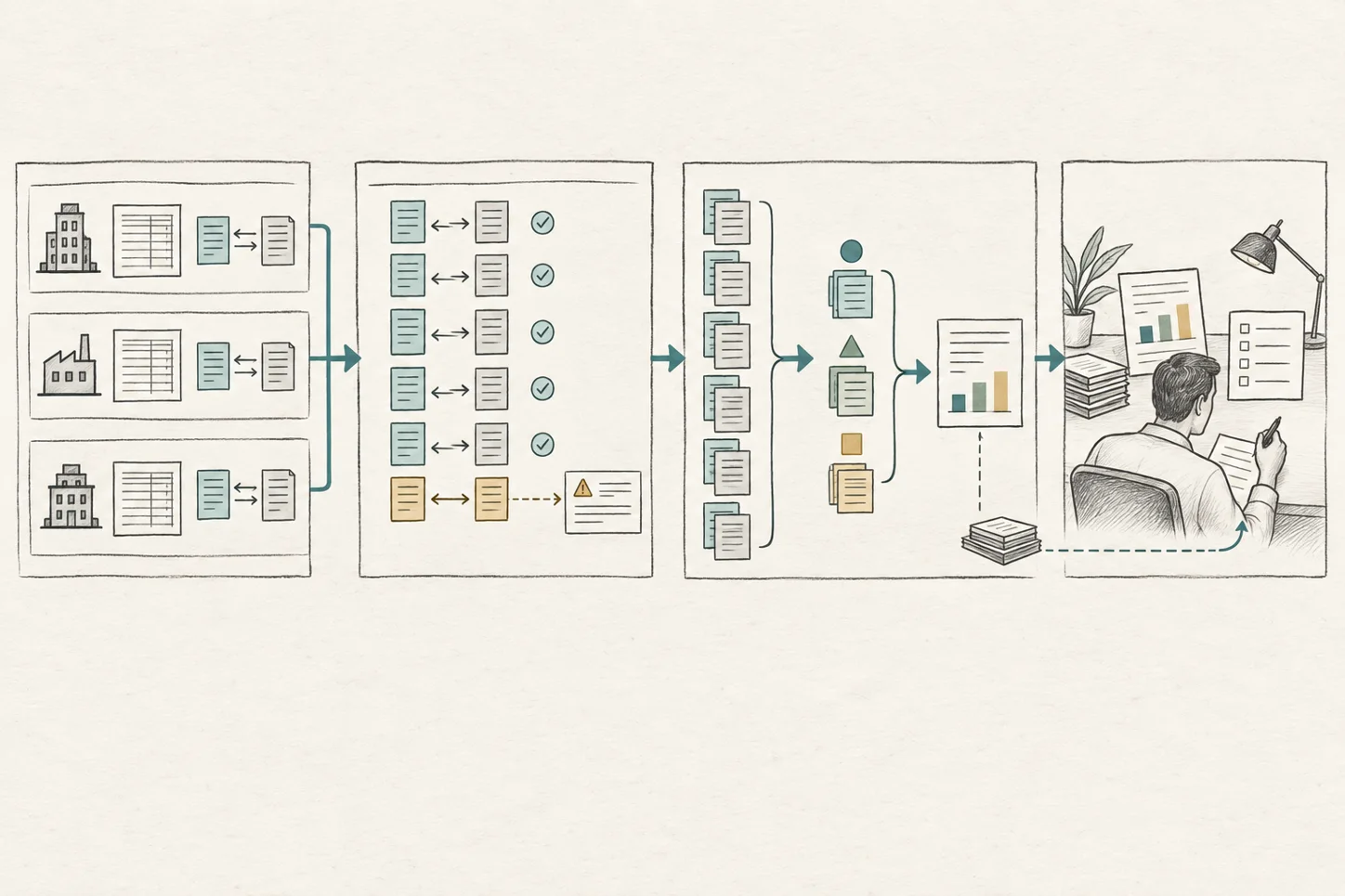
People layer directs an AI work layer inside IT rails for approved infrastructure, controls, audit, access, data governance, security and compliance, connected to ERP, TMS, consolidation, FP&A planning, and reporting systems.

An agentic finance workflow needs clear ownership.

Finance owns the workflow. Finance defines the process, the controls, the judgement points, the review standard, the exception logic, and the improvement priorities.

Agents execute bounded work. They perform defined workflow steps, produce traceable outputs, keep evidence, and escalate anything that requires human judgement.

IT owns the rails. IT controls access, integrations, logging, monitoring, security, deployment patterns, support, and visibility across the agent estate.

This is what makes the model scalable. Finance does not wait for every improvement to become a traditional IT project, but agents do not operate outside governance.

The operating model is finance-led and IT-governed.

Start with one workflow. Build the capability from there.

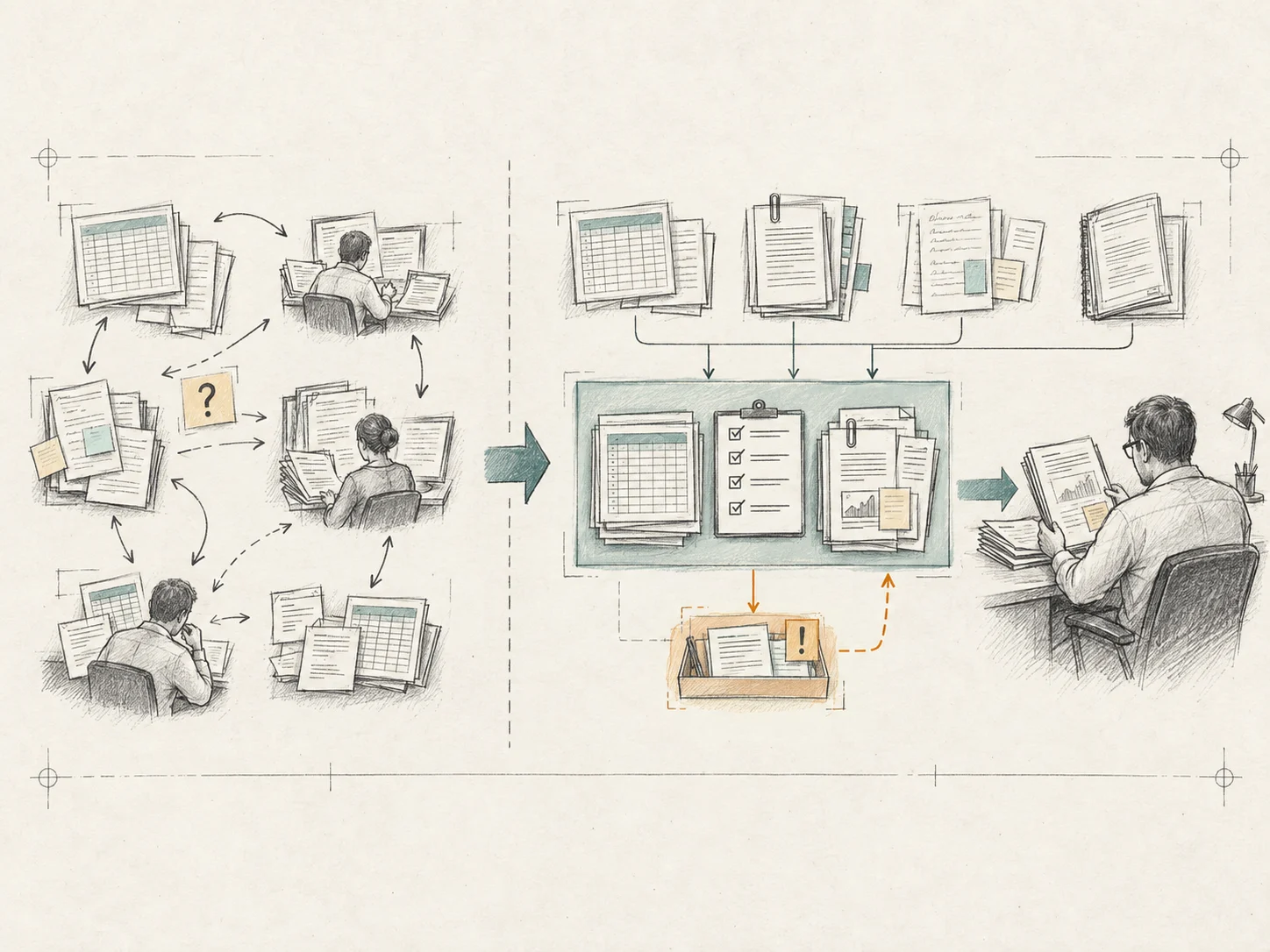
Three phases: prove it on one real workflow, transfer capability to finance, and productise the rails with IT.

The fastest credible path is not to design the whole agentic enterprise upfront. Choose one valuable finance workflow and use it to prove the operating model.

Phase 1: Prove it on one real workflow

Build the first agent-supported version on real work, with evidence of what can be automated and where judgement remains essential.

Phase 2: Transfer capability to finance

Enable internal finance staff to run, supervise, review exceptions, and improve the workflow without creating a black box.

Phase 3: Productise the rails with IT

Turn access, integrations, logs, monitoring, support, security, and estate visibility into repeatable infrastructure.

The service moves from working workflow, to finance capability, to IT-governed scale.

The end state is internal capability, not dependency on an external AI build.

End-state operating model where finance directs workflows, an AI work layer executes bounded work across core systems, and IT provides governance rails.

The goal is a finance team that can run and improve software-like workflows in the AI era.

Finance owns the workflow. Agents execute bounded work. IT provides the rails. The organisation learns how to move from isolated AI experiments to governed, repeatable agentic operations.

That is the capability this service builds: one workflow at a time, with a path to scale.

This is how finance transformation teams can build AI systems they can own.
Who builds this with you

Finance transformation experience, translated into working AI systems.

I’m Godwin German, a Chartered Accountant, finance transformation operator, and AI systems builder.

I help finance teams turn complex, control-sensitive workflows into production AI-enabled systems that internal staff can understand, operate, and improve.

My background spans 20 years in finance transformation, including audit at Deloitte, IFRS 17 implementations, ERP and subledger integrations, and finance systems work across major insurers and banks.

I build the first workflow with your team, make the work visible, and transfer the capability so finance and IT can safely orchestrate the next ones themselves.

Connect on LinkedIn →

Discuss one workflow.

Pick one complex finance workflow. Map what an agentic version would require, where the controls sit, and what it would take to build the first working version.

Send one workflow that is high-volume, control-sensitive, or stuck between systems. A rough description is enough.
Email the workflow